My eBook, How To Immigrate To Canada For Skilled Workers: The Authoritative Guide To Federal And Provincial Opportunities is available now on Amazon and other online retailers. Get your copy of the essential guide to Skilled Worker class applications today!

For Kindle
For iPad/iPhone
For Nook
For Kobo
For Sony eReader

Also available is my new eBook, "How To Immigrate To Canada In The Family Class: The Authoritative Guide Including Québec And Super Visa Opportunities". Get it at Amazon or the other e-retailers noted above.

Wednesday, February 13, 2013

Immigrating to Canada - big city or small town?

A lot of people who consider immigrating to Canada wonder where their best opportunity to settle is: a big city like Toronto, or a small town like Yellowknife? Of course there are arguments in favour of either answer.

Big city pros:
  • Lots of employers - In Toronto, there are thousands of employers and thousands of jobs available, if you have the right skills and experience. 
  • Lots of support and integration resources - There are many non-profits to help you settle and find work, housing, transportation and get your life started in your new country.
  • Large immigrant populations - Toronto's Chinatown alone is comprised of over 500,000 people. The city is truly multicultural.

Big city cons:

  • Lots of competition for jobs - For every job, there are potentially dozens, if not hundreds of applications.
  • Expensive to live in - big cities cost big money to live in: not only for housing, but for food and services as well.

Small town pros:
  • Less competition for jobs - smaller populations mean the employee pool is much smaller too.
  • Can be less expensive to live in (depends on location) - rents (primarily) and the general cost of living are more manageable in small towns. This is not the case, however, if the small town happens to be in a remote part of the Northwest Territories.

Small town cons:
  • Fewer employers - Some towns are "company towns" with only one major employer. If you can't work there, you might not be able to find a lot of other opportunities.
  • Fewer integration resources - Settlement services tend to be located in larger population centres. You might have to travel to one to get the help you need initially.
  • Smaller immigrant communities - It's likely in smaller towns that you wont find as many people who speak your native language, or share your traditions. There are, however, a number of small towns that grew out of and maintain strong heritage traditions from their populations.

So that's just a very high level idea of some things to think about when you consider where in Canada you want to live. I encourage you to learn about each of the Provinces and Territories - their histories and the current opportunities they have to offer. You may just find the perfect fit!

Friday, February 08, 2013

Wednesday, February 06, 2013

The Star - Ottawa’s immigration backlog wipeout illegal, lawyers argue before Federal Court


Nicholas Keung writes:

Canada violates the Charter and discriminates based on country of origin, say lawyers seeking to strike down a law that threw out thousands of applications.


The Federal Court has been asked to strike down legislation passed by the Conservative government last year to wipe out immigration backlogs because it breaches the Charter of Rights and the rule of law.

Lawyers representing 1,000 people affected by the move to toss out nearly 98,000 immigration applications allege that the Tory government had discriminated based on the national origins of the applicants.

Read the rest of the story here

Wednesday, January 30, 2013

The Globe and Mail - Catherine Dauvergne: Refugee rules the end of Canada’s humanitarian tradition

We must let go of the idea that Canada’s refugee system is better, fairer, more generous or more humanitarian than other systems in the world.

It is easy to dismiss the current debate about changes to Canada’s refugee process as the same-old stand-off between the soft liberal left and a strong reformist government. But the tenor of the recent changes has irrevocably altered the terrain. The changes which took effect in December put the finishing touches on a round of reform that has brought a dramatic end to what was once known as Canada’s humanitarian tradition. Whether Canadians like the new system or loathe it, it is important to acknowledge that it is a game changer.

Read the rest of the article here

Wednesday, January 23, 2013

How to dress in cold weather - update


In a previous post, I let you know what you need to be wearing on a cold day in Toronto (read it here). Since we've had a few days of bitter temperatures here recently, I thought it would be a good time to update my recommendations.

Other than what I've already noted:

  •  Base layer - when it's -10C or below, you really are doing yourself a favour if you wear a base layer of long underwear. The wind will cut through your pants, or jeans. I see a lot of women in their fashionable tights in this weather, but they clearly are NOT in a good mood. Base layer. Think about it.
  • Heavy socks - even if you have to change out of your boots into dress shoes, wear some heavier socks in this kind of cold. I wear hiking socks and they add a lot of comfort to my feet.
  • Think about your nose - Despite all my attempts to stave off the cold and enjoy the outdoors, my nose gets cold and runs in weather like this. I have a couple solutions: My Canada Goose jacket (mine is their Banff model), in what I call "storm mode" allows me to hide most of my face in the coyote fur around the hood (this material was chosen by Canada Goose "because it never freezes, doesn’t hold water, and the uneven hair lengths create a windbreak that protects exposed skin, helping to reduce heat loss from the face"). I can still see out, but have to be diligent at intersections/crosswalks to turn my entire head and look for cars and such. The other solution is a scarf bundled up around my face. This doesn't work as well, because I have to move it when I blow my nose, and the condensation from my breath makes it wet, and then it freezes, and then it gets cold again! But seriously - think about your nose!
That's my update. -24C in Toronto today. Supposedly winters are warmer than ever in Canada, with fewer snow days and fewer days of deep, dangerous cold. But it still gets plenty cold here for a good part of the year, and you need to be prepared to deal with it, unless you want to be a shut-in. 

Tuesday, January 22, 2013

CIC's "Living In Canada" online tool


The CIC has created an online tool to assist new immigrants in many areas of planning for, or adjusting to their new lives in Canada.

Topics covered in the tool include:

  • Language training
  • Finding work
  • Finding newcomer services in your area 
  • Finding a place to live
  • Getting to know Canada
  • Adjusting to life in Canada
  • Locating Government and community services
  • Educational needs
All in all, the tool offers a good place to get started with all these topics. While it doesn't answer every question, or even go into great detail in most cases, it will point you on the right path if you are a newcomer, or making plans to settle in Canada. 

Wednesday, January 16, 2013

CIC News - A Review of Immigration in 2012


2012 saw a number of important changes to Canadian immigration programs across the board. Some have already taken effect, while others will not be effective until various times in 2013. As we embark on a new year, CIC News is pleased to provide a summary of the major changes to some of Canada’s most popular immigration programs.

Read Part 1

Read Part 2

Tuesday, January 08, 2013

The Globe and Mail - Ottawa to play matchmaker for foreign workers

Jason Kenney's idea of an immigration program,
coming to the CBC in 2014
Does it seem like a good idea for the Federal Government to set up what amounts to a job bank for the nation's skilled worker employers? That's Jason Kenney's plan for the Skilled Worker class of immigrant, as he prepares to launch a system by 2014 where if you are lucky enough to be invited to work by a Canadian employer, and then also invited to immigrate by the government, you will be fast-tracked into the country.

The web-based, "Expression of Interest" system will be, “...like a dating site,” says Kenney. And we all know how well those systems work.

Read the article here 

Tuesday, January 01, 2013

Happy New Year 2013!

New Years 2013 at Nathan Phillips Square. God bless all my friends and readers in the the new year, and may all your Canadian immigration dreams come true!

Tuesday, December 18, 2012

Christmas in Canada

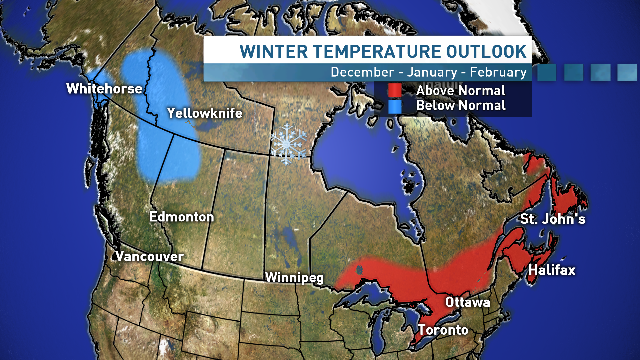
Environment Canada's Winter temperature outlook for 2012 does not make me happy
The Weather Channel's Winter temperature outlook for 2012 is the one I'm banking on
This year will mark my second Christmas in Canada. It is truly is hard to believe how quickly time flies. As I imagined, it seems long ago that my hopes and prayers centred around whether My Love and I would be reunited in Canada; whether our immigration application would be successful. That that prayer was answered is certainly enough for me for many Christmases to come.

This year is a mild one and southern Ontario will most likely have a green Christmas. There have really only been a couple of days that were even seasonally cold. I have been looking forward to a cold Winter this year, but Fall, which ends Friday, has not given me a lot of hope. A cold Winter means more time on the ice for me - I don't like to skate when it's 6-7, like it is now: there's too many fresh skaters filling the sheet. Falling is bad enough without taking someone down with you!

Hopefully with the end of Fall, normal temperatures will kick in and I'll get in all the skating I can handle.

Look for the Mind to take our usual Holiday sabbatical, as we travel to see family and generally stay away from the computer. Know that I am grateful for each and everyone of my readers, and especially those who have purchased one of my books in the last year. May you and yours have a Happy Christmas and a wonderful New Year ahead!